Faith and hope inspire and sustain churches, communities, and individuals in their efforts to build just, equal, and sustainable societies, even amid significant challenges and uncertainty. For this reason, Felm’s church cooperation work is holistic and the three programme areas – theological formation (including outreach), strengthening church leadership and diakonia – are strongly interconnected.
Broadened leadership and wider networks are essential for churches to be strong actors and a catalyst for societal transformation, embodying the values of justice, equality and sustainability. People who are marginalised and discriminated against – including women, young people, persons with disabilities, and linguistic minorities – need to participate in the decision-making of churches, bringing their perspectives on what a just, equal, and sustainable society should look like.
Inclusive diakonia that is rights-based and grounded in strong theological foundations enables faith communities to confront structural injustice and to create channels for community networks of sharing, reinforcing resilience and hope.
Christian witness and theological education
Theological education develops critical thinking, helps churches grow and nurtures Lutheran identity and personal spirituality. Felm supports the training of new pastors and continuing education for pastors already in ministry. In cooperation with the Lutheran World Federation, Felm also helps modernise teaching methods, strengthen the financial sustainability of theological education and promote gender equality in the allocation of scholarships.
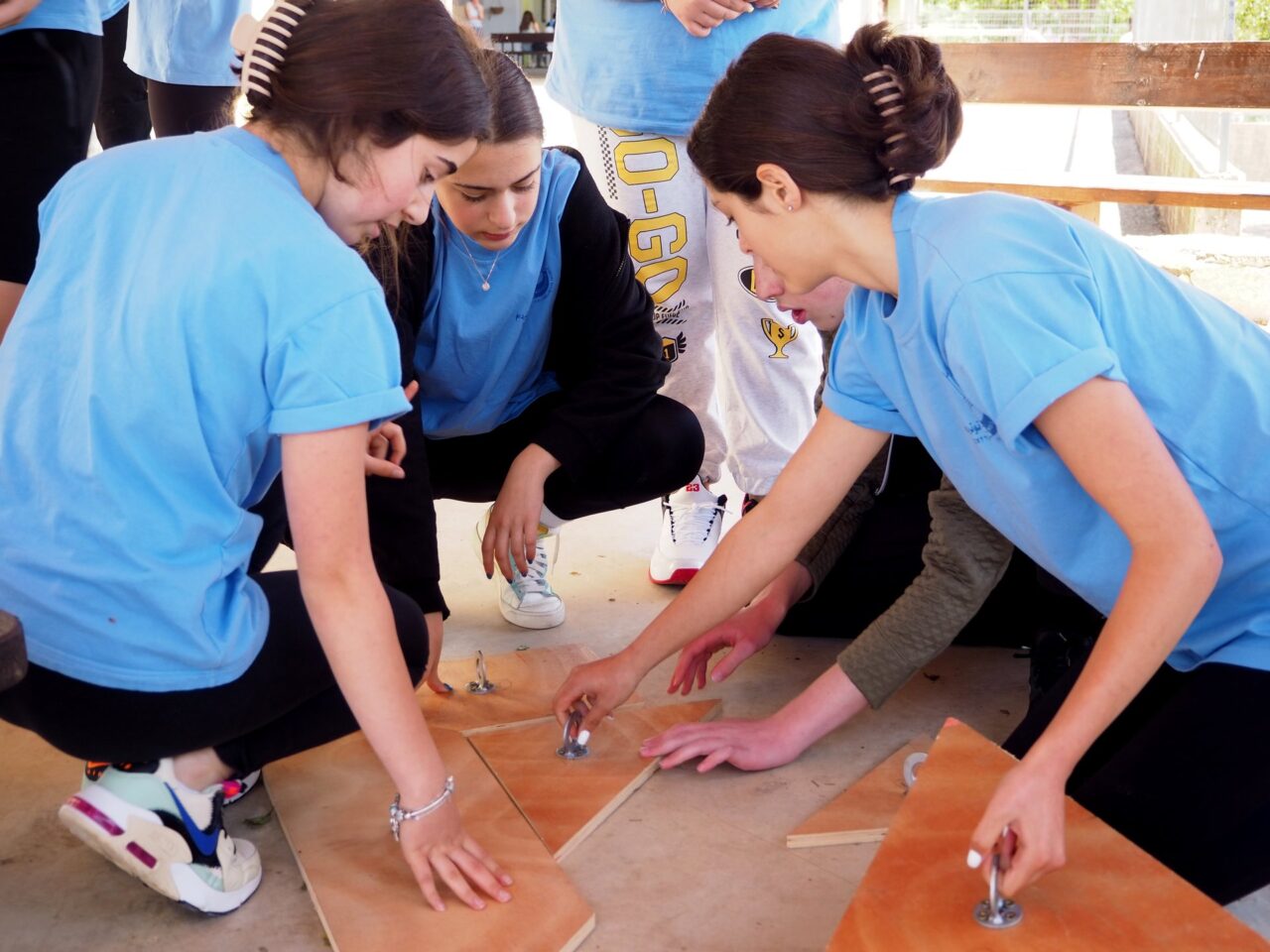
Christian education enables children, young people and adults to learn about the Bible and the message of Jesus Christ. It helps people deepen their faith, participate in church life and discover their calling both within the church and in wider society.
Following Jesus’ command to baptise and teach (Matthew 28), partner churches seek to grow and reach new people. Felm equips them for evangelism and supports them in building open and inclusive communities. Personal invitations, education and experiences of God at work can nurture faith and inspire new leaders. Open theological dialogue helps churches share the gospel with all people.
Church leadership
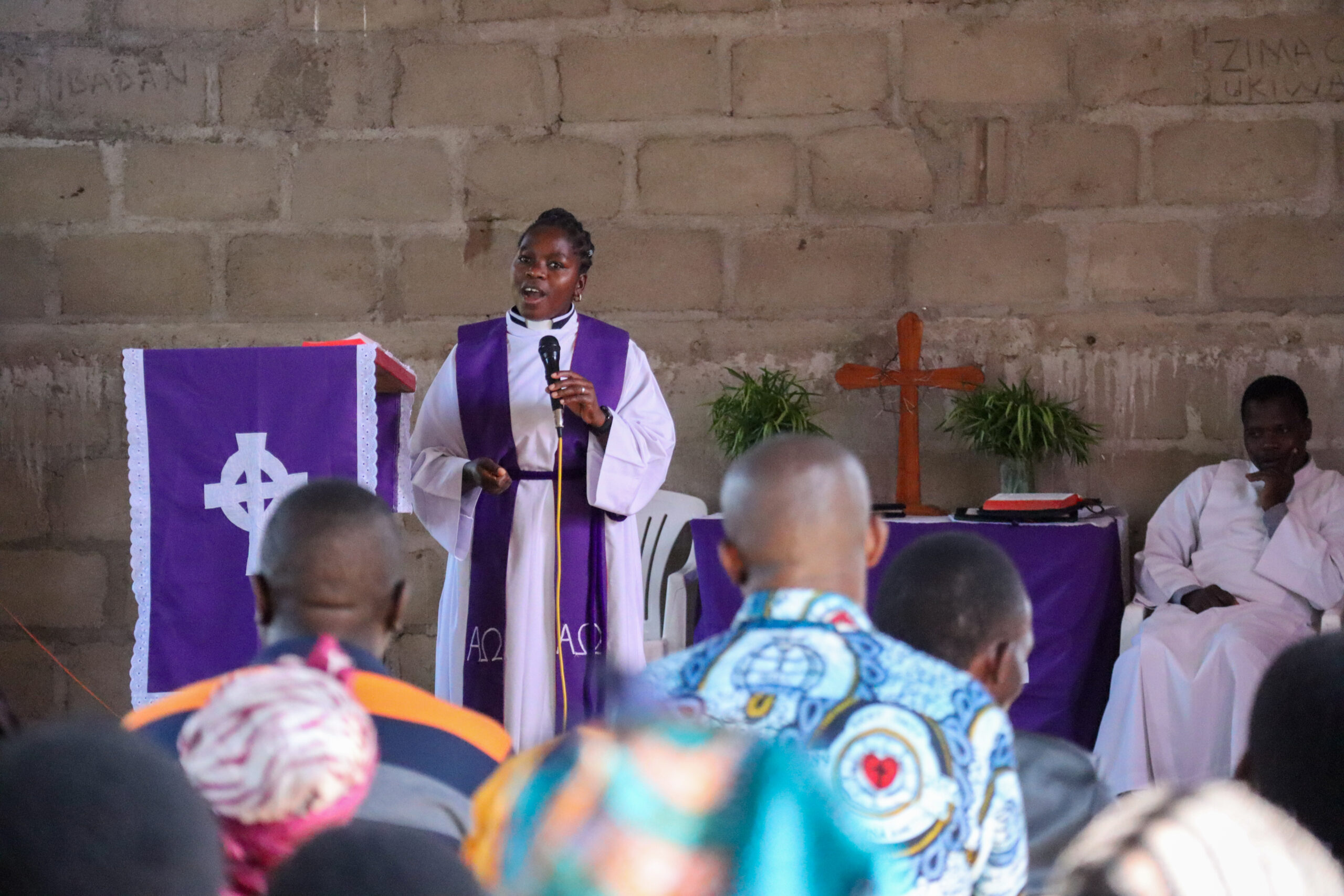
Felm supports the development of spiritual, diaconal and organisational leadership in dialogue with its partner churches. Felm supports leaders at all levels, including bishops, pastors, evangelists, other church employees, decisionmakers, elders, lay leaders and volunteers.
Training, mentoring, coaching, networking and consultative support for strategic planning help leaders deepen their theological understanding and spiritual lives while developing ethical leadership, strategic thinking and organisational skills.
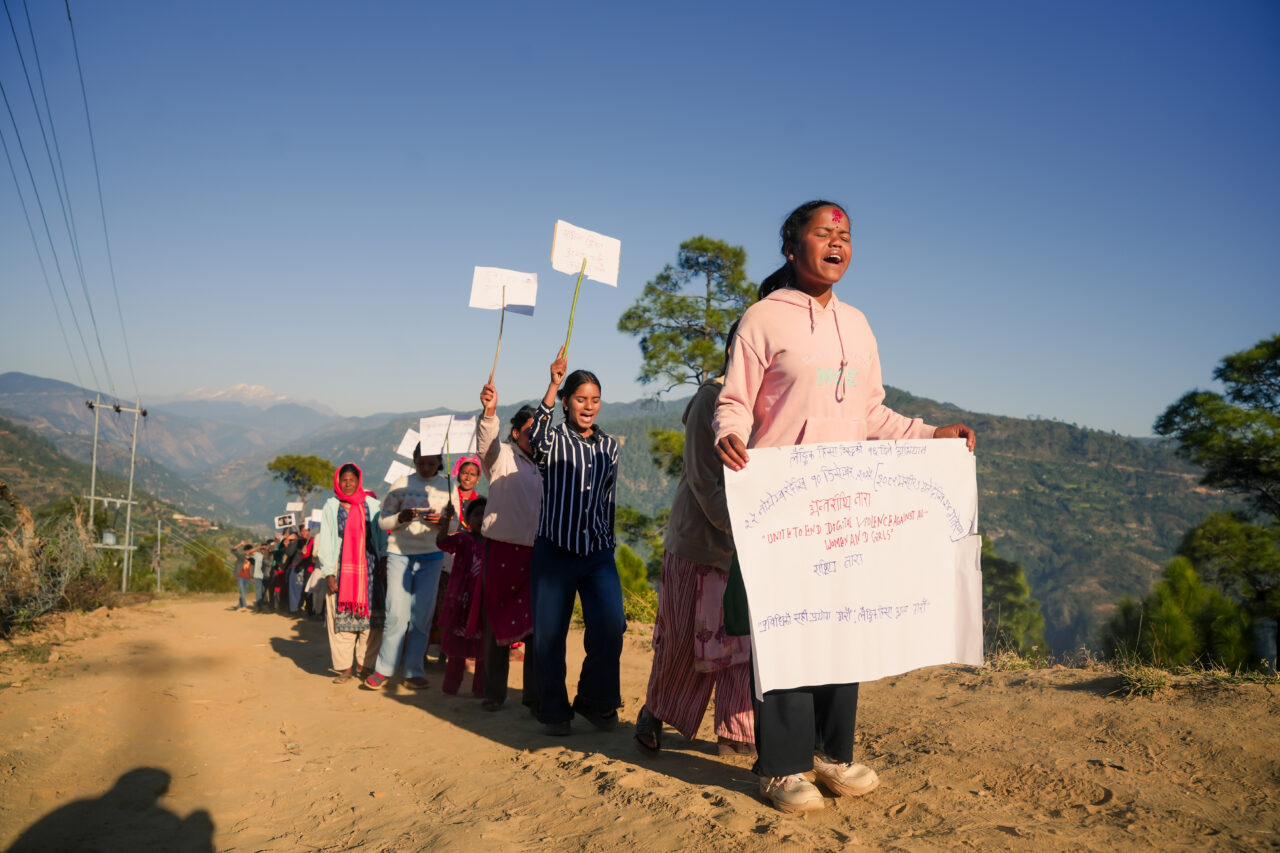
Felm also helps partner churches make their leadership more inclusive and representative. This can involve developing theology, structures, practices and legislation so that women, young people, persons with disabilities, linguistic minorities and others who face discrimination can participate in decision-making and take on leadership roles. Representative leadership and broader networks strengthen churches’ credibility and help them promote justice, equality and human rights.
Inclusive diakonia
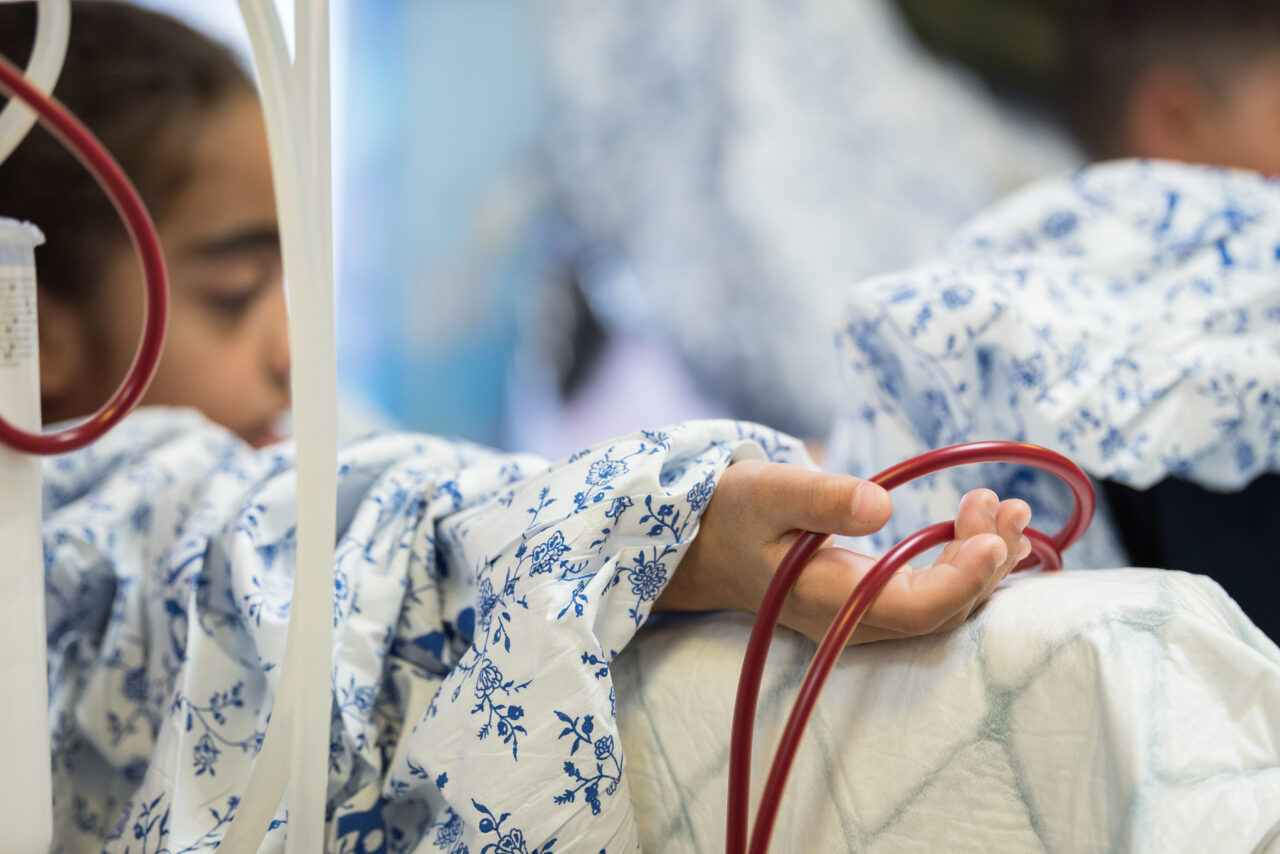
Diakonia—the church’s social ministry—is integral to the identity and mission of Felm’s partner churches. Grounded in Christian faith and human rights, it expresses the church’s calling to compassion and justice. It is offered to everyone without discrimination or preconditions and seeks both to strengthen people and change unjust structures.
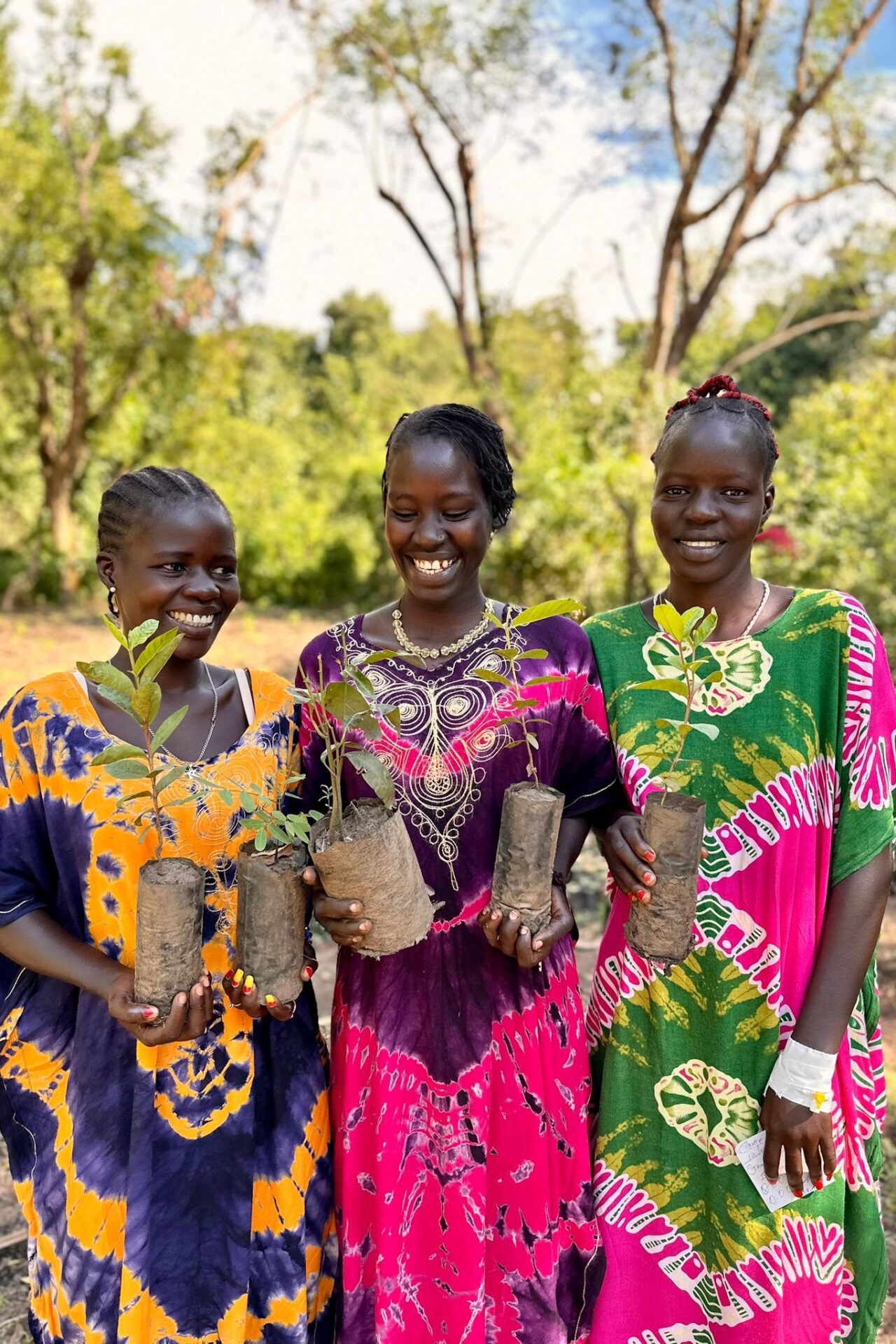
Felm supports locally led diaconal work carried out by partner churches, Christian organisations and local congregations. Communities participate in shaping the work, ensuring that their voices, needs and priorities guide it. Diaconal initiatives challenge discriminatory attitudes and structures while promoting equality and strengthening mutual care, resilience and hope.
Where we work
Felm does church cooperation work in Cambodia, Nepal, Thailand, Hong Kong, Angola, Ethiopia, Senegal, Tanzania, Southern Africa, Colombia, Bolivia, Venezuela, Palestine and Israel. Felm also supports regional projects in Asia and the Middle East.