Felm’s development cooperation promotes dignity, justice, and sustainable futures for those most affected by global challenges. The human rights and needs of the most vulnerable people form the foundation of our work.
Felm’s development work is made possible through private and public donations from parishes, companies, foundations, trust funds and individual donors. Our main institutional donor is the Ministry for Foreign Affairs of Finland. Felm has also received funding from the European Union.
Our key development cooperation priorities are reducing poverty, inequality, and vulnerability, with a strong focus on inclusive education and climate resilience. Inclusion of persons with disabilities and gender justice are cross-cutting themes in all our work. Furthermore, peacebuilding is also integrated into Felm’s development cooperation, and we are developing nexus approaches to strengthen the connections between peace, humanitarian action, and development.
Inclusive education
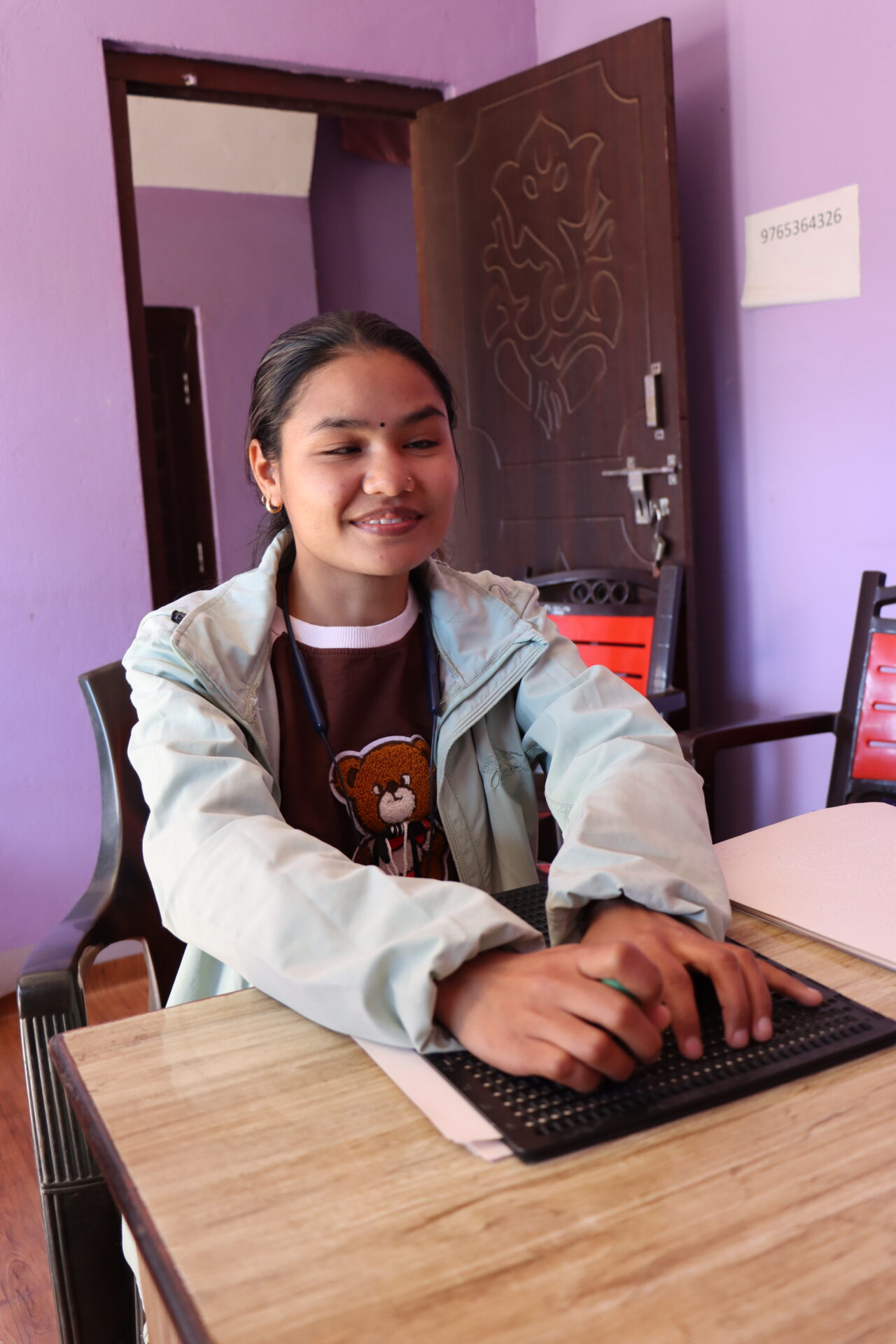
Felm is committed to working towards the Sustainable Development Goals (SDGs), adopted by all United Nations members in 2015. Among the SDGs, one priority in Felm’s work is SDG4: “Ensure inclusive and equitable quality education and promote lifelong learning opportunities for all.” Felm recognises that persons from vulnerable groups face particular barriers in education. Deliberate actions and strategies are needed to remove or reduce those barriers.
Inclusive education refers to an education system that is open to all learners, regardless of their individual characteristics, abilities, ethnic background, language, gender, poverty or socioeconomic status. Inclusive education is not an age-specific term. Felm’s current strategy focuses on children and youth, but vulnerable adult learners may also need extra support.
For Felm and its partners, three specific issues are seen crucial for improving the inclusion in education, and eventually in society as a whole: strengthening multilingual and mother-tongue education, improving inclusive and safe learning environments and widening access to vocational education and life-skills training, especially for women and persons with disabilities. Teacher training, developing appropriate pedagogy and learning materials, improving accessibility of school buildings and learning areas, strengthening parents’ engagement in their children’s education and learning and advocating for inclusive education at local, national and international levels are important tools in this.
Climate resilience
Humanity has not succeeded in halting biodiversity loss, and global warming is expected to exceed the critical 1.5°C threshold as early as the 2030s. The consequences of these changes are already severe. The climate crisis particularly affects people and communities with the fewest resources to protect themselves from its impacts.
At Felm, climate resilience means strengthening the capacity of communities to adapt to changing environmental conditions and develop sustainable solutions based on their own needs and realities. This work is carried out in partnership with local actors and communities that best understand the challenges and opportunities in their areas.
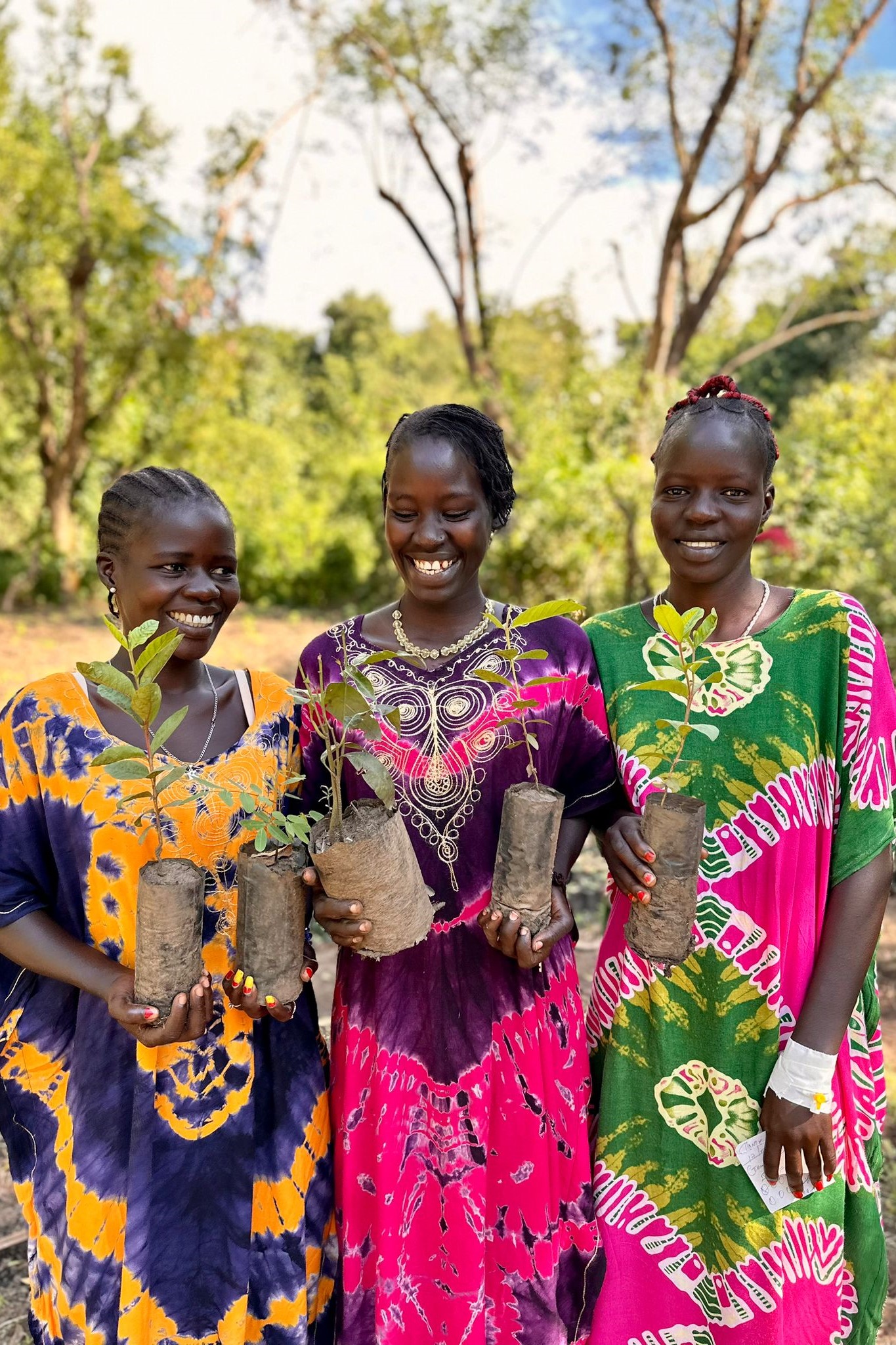
In practice, climate resilience involves sustainable management of natural resources, reforestation, support for climate-resilient agricultural practices, and strengthening communities’ preparedness for climate-related risks. At the same time, we empower people to influence decisions affecting their lives and environment and to claim their rights. Our goal is to ensure that communities can build a safer and more sustainable future, even in a changing world.
Partners and funding
Felm’s development cooperation receives programme support funding from the Finnish Ministry for Foreign Affairs, forming a part of Finland’s Official Development Assistance (ODA).
The current Development Cooperation funded by the Ministry for Foreign Affairs of Finland is implemented in seven countries; Cambodia, Colombia, Ethiopia, Myanmar, Nepal, Tanzania, and Zimbabwe.
The work is done together with 22 local partner organisations, including development organisations and other civil society actors.
Felm also works with national and international organisations, participates in international development networks, and cooperates with other international non-governmental organisations.
Felm’s development cooperation 2026-2029 funded by the Ministry for Foreign Affairs
Felm’s Development Cooperation Programme 2026–2029 strengthens the rights and agency of the most vulnerable people through four interconnected goals:
- Inclusive education: access to inclusive, quality education has improved.
- Peace and reconciliation: the space and potential for local peacebuilders to lead inclusive peace initiatives and processes have improved.
- Climate resilience: communities have strengthened their climate resilience and actively demand climate justice.
- Humanitarian work: affected persons’ life-saving needs are met, and communities are better prepared for humanitarian crises.
The work is implemented through equal partnerships with local actors, grounded in a human rights based approach and the principle of leaving no one behind, with particular emphasis on the inclusion of women, girls, and persons with disabilities.
Guided by long‑term engagement, local ownership, and holistic change, the programme aims to build just, peaceful, and sustainable societies.