Peace is more than the absence of war or violence: it requires addressing the relationships, conditions and structures that sustain conflict and inequality. Felm’s approach is human-centred and transformative, recognising peace not only as a political, technical or institutional process, but also as a personal and collective journey towards mental and physical healing and sustainable coexistence.
As conflict can damage relationships, trust and the networks that hold communities together, peacebuilding must strengthen social cohesion and people’s ability to shape their own lives and societies.
Supporting local peacebuilders
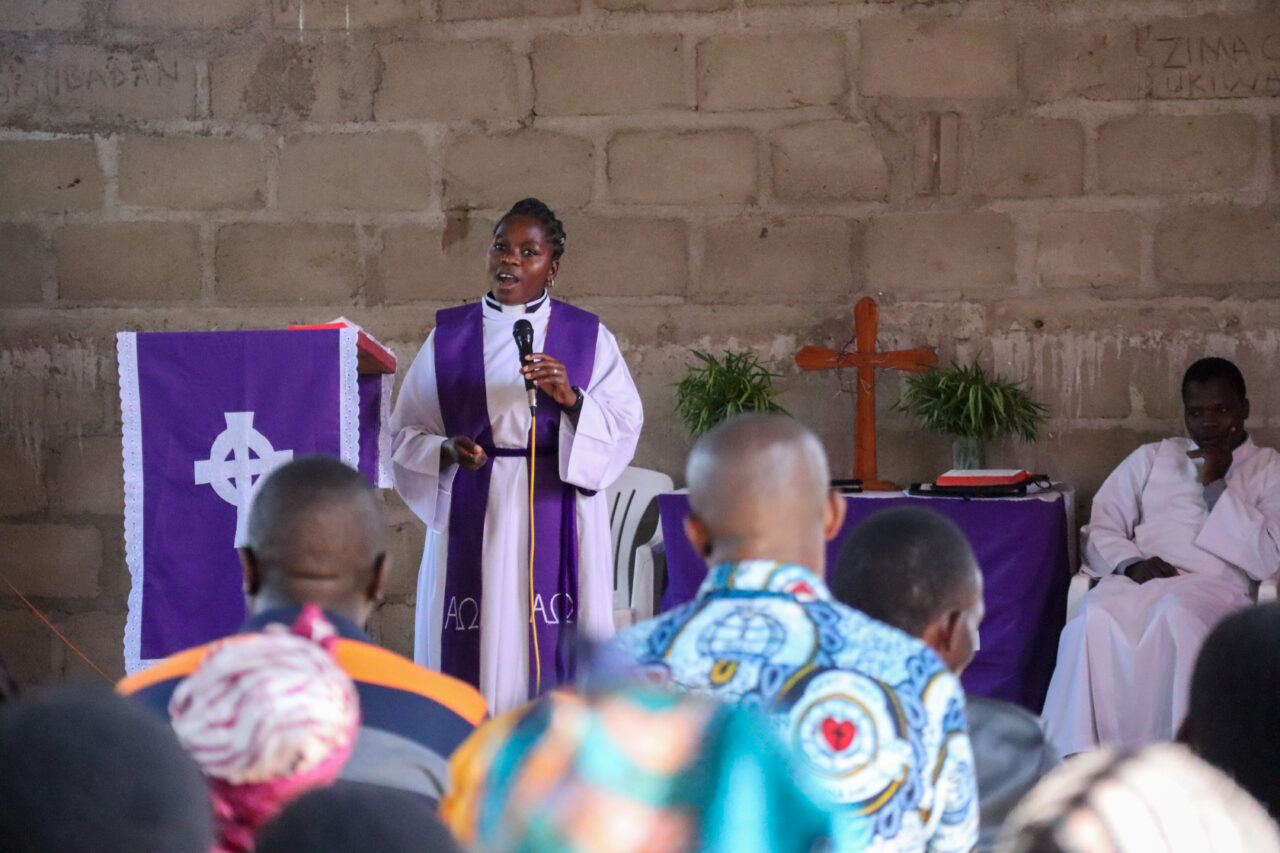
At the heart of Felm’s approach is a simple principle: peace cannot be built from the outside. Sustainable peace must be rooted in local knowledge, expertise and leadership. We support local peacebuilders, including churches and faith-based actors, civil society organisations and communities that have the relationships, knowledge and trust to drive peaceful change in their own contexts.
Felm supports a bottom-up and multi-track approach, strengthening local peacebuilders while connecting work at the community level with political and national processes. This enables local peacebuilders to work across different levels of society and helps create space for diverse communities and groups, including women, young people and people with disabilities, to influence processes that affect them.
For Felm, locally led peacebuilding is also about shifting the power. We recognise the unequal power structures embedded in the international peacebuilding system, and we work towards more equitable partnerships and practices. This means strengthening the authority and influence of people and communities most affected by conflict over peacebuilding priorities and resources, while creating space for locally grounded knowledge, priorities and understandings of peace.
Focus on conflict sensitivity
Conflict sensitivity is applied across all Felm’s peace and reconciliation work. Continuous context analysis and reflection help ensure that our work adapts to changing realities, contributes to just and peaceful change and minimises potential negative impacts. We also recognise that ultimately peace and reconciliation are long-term processes rather than short-term interventions.
In practice, Felm’s local partners advance peace and reconciliation by:
- Strengthening dialogue, trust and reconciliation across divisions, and supporting non-violent ways of addressing conflict.
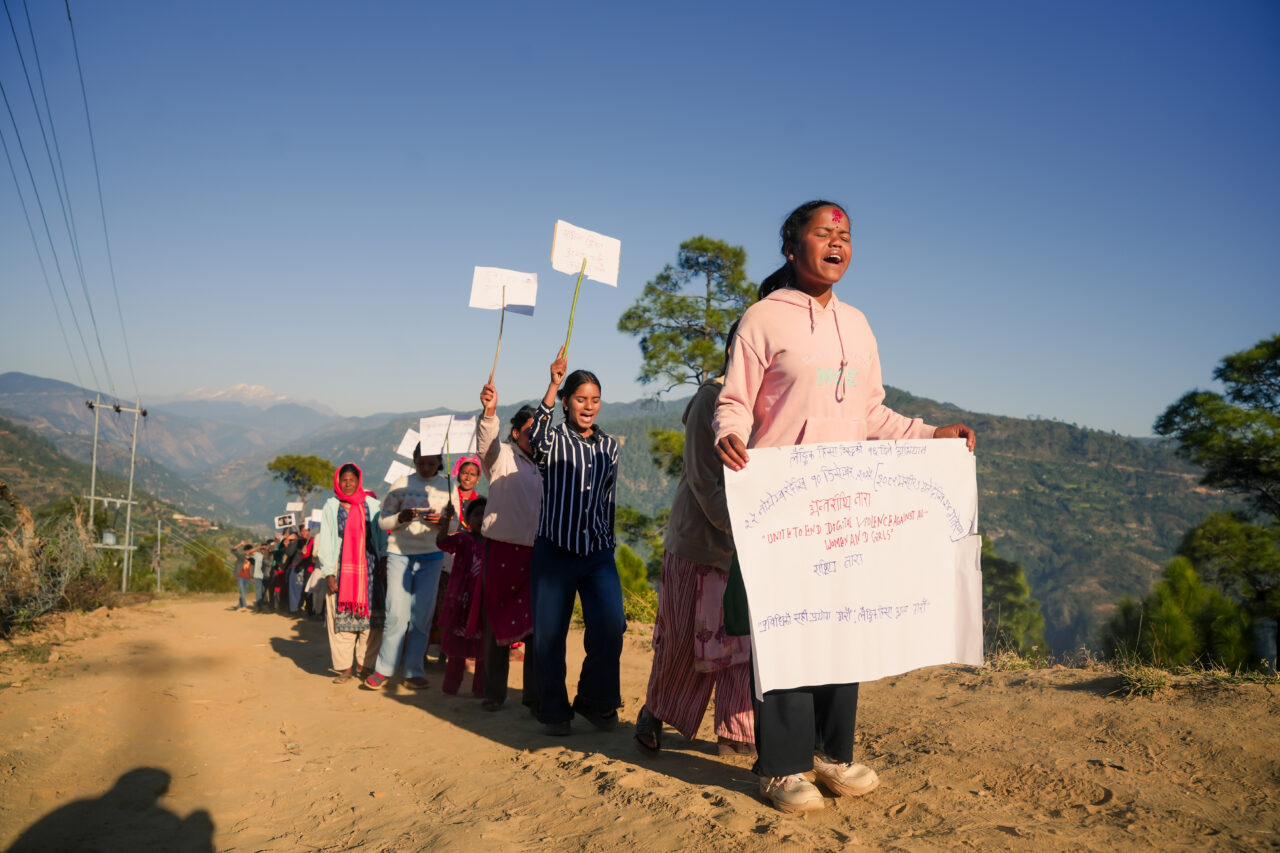
- Promoting the active and meaningful participation of individuals and local communities in peacebuilding, with particular attention to women, young people, persons with disabilities and other marginalised groups.
- Supporting the wellbeing and resilience of individuals and communities and their recovery from the impacts of conflict, while strengthening relationships and social cohesion.
- Promoting a holistic approach through the triple nexus, connecting humanitarian aid, development cooperation, and peacebuilding to respond to the interconnected needs of people and communities.
Where we work
Felm’s peace and reconciliation work takes place in Myanmar, Ethiopia, Zimbabwe, Colombia, Israel, and Palestine.
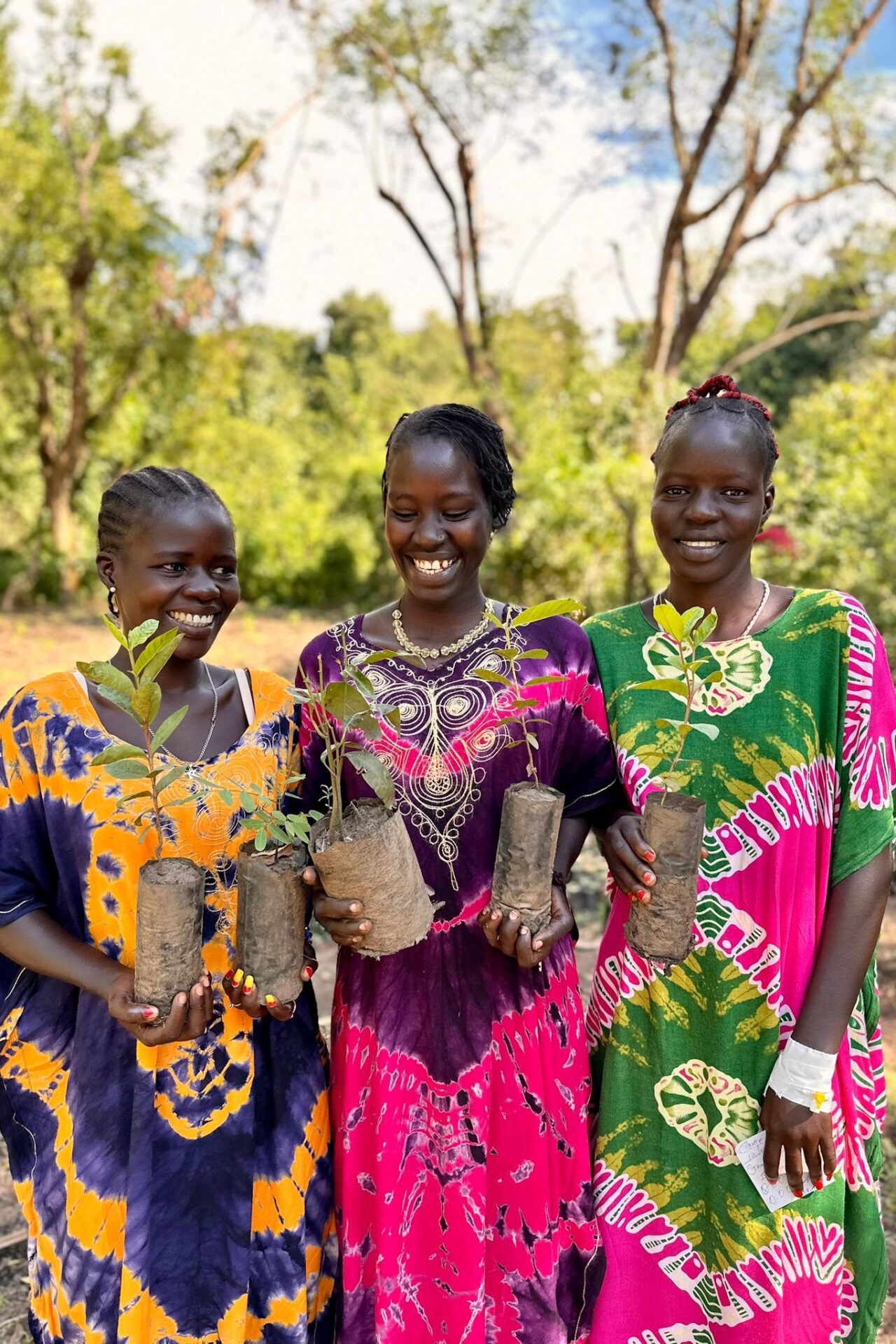
In Myanmar, peacebuilding has strengthened dialogue and cooperation among different ethnic minority actors and helped sustain engagement amid an ongoing conflict. In Ethiopia, peacebuilding brings together climate resilience with efforts to strengthen trust and social cohesion within communities.
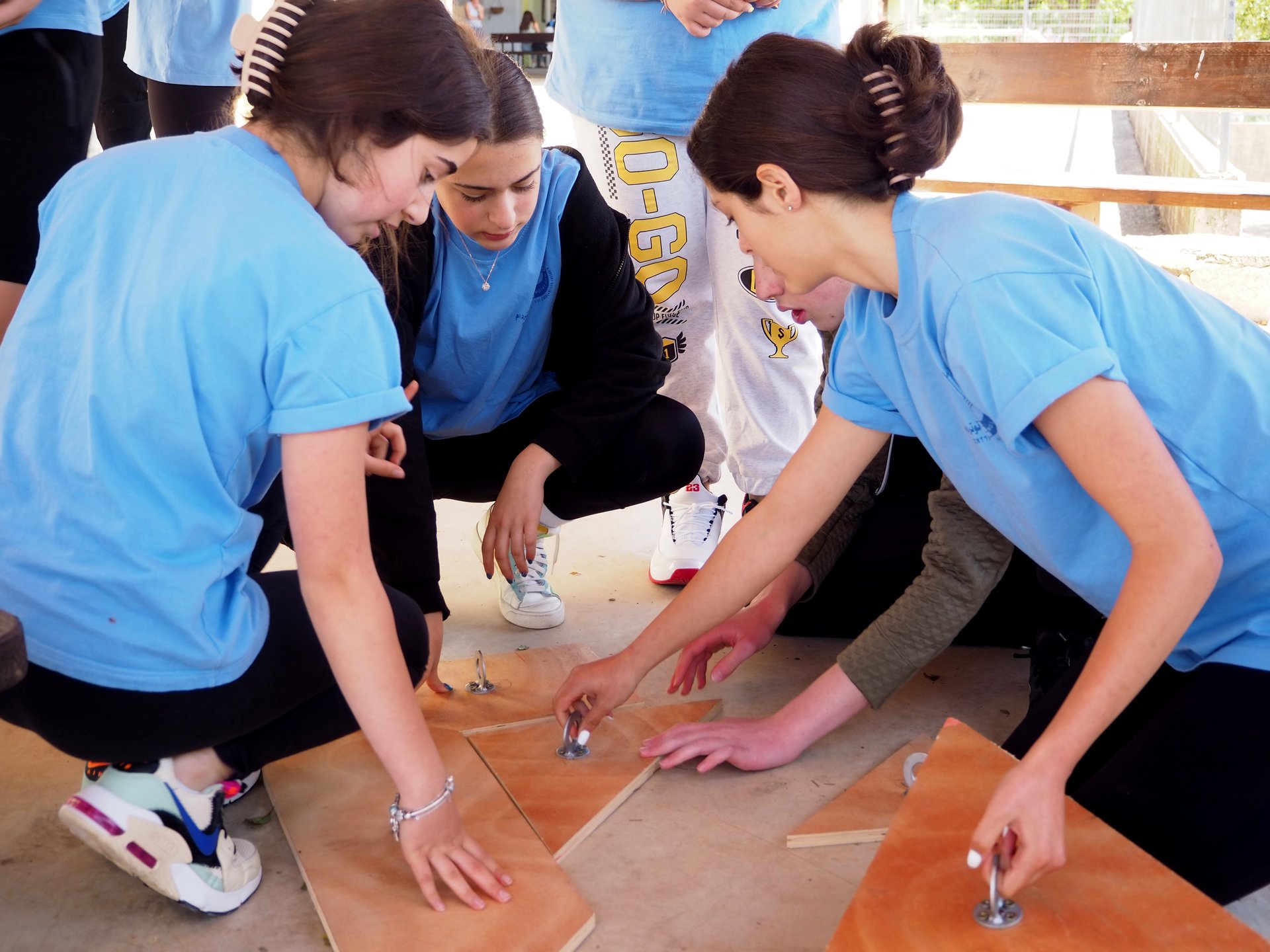
In Colombia and Zimbabwe, church-based actors strengthen community resilience, well-being and meaningful and inclusive participation in dialogue, while also contributing to peaceful change at the broader societal level. In Israel and Palestine, peace education strengthens children’s and young people’s interaction and conflict resolution skills as well as creates opportunities for encounters between people from different backgrounds.
Moreover, Felm and its partners seek to clarify and deepen theological thinking about what peace means, how theology can help achieve peace amid conflicts, and how religions can speak the language of peace.