Felm’s work in Nepal began in the 1977. The country’s development is uneven between rural areas and the capital Kathmandu, and due to unemployment, many people leave the country as migrant workers. Nepal is one of the world’s most vulnerable countries to climate change, and natural disasters are a constant risk. Inequality in society is reinforced by patriarchal structures and the legacy of the caste system.
In the early years, Felm was first affiliated with United Mission to Nepal, and from 2009 onwards Felm Nepal has been registered as an International Non-Governmental Organization (INGO). The Ministry for Foreign Affairs of Finland funds Felm’s development cooperation in Nepal. Funding is channeled directly through local civil society organisations, which work closely with local authorities.
Felm Nepal works to improve the rights and living conditions of the most vulnerable populations, including women, children, persons with disabilities, Dalits, and ethnic minorities. We work in Karnali Province, which is the least developed area located in the remote parts of Western Nepal, focusing on climate resilient communities and inclusive education.
Climate resilient communities
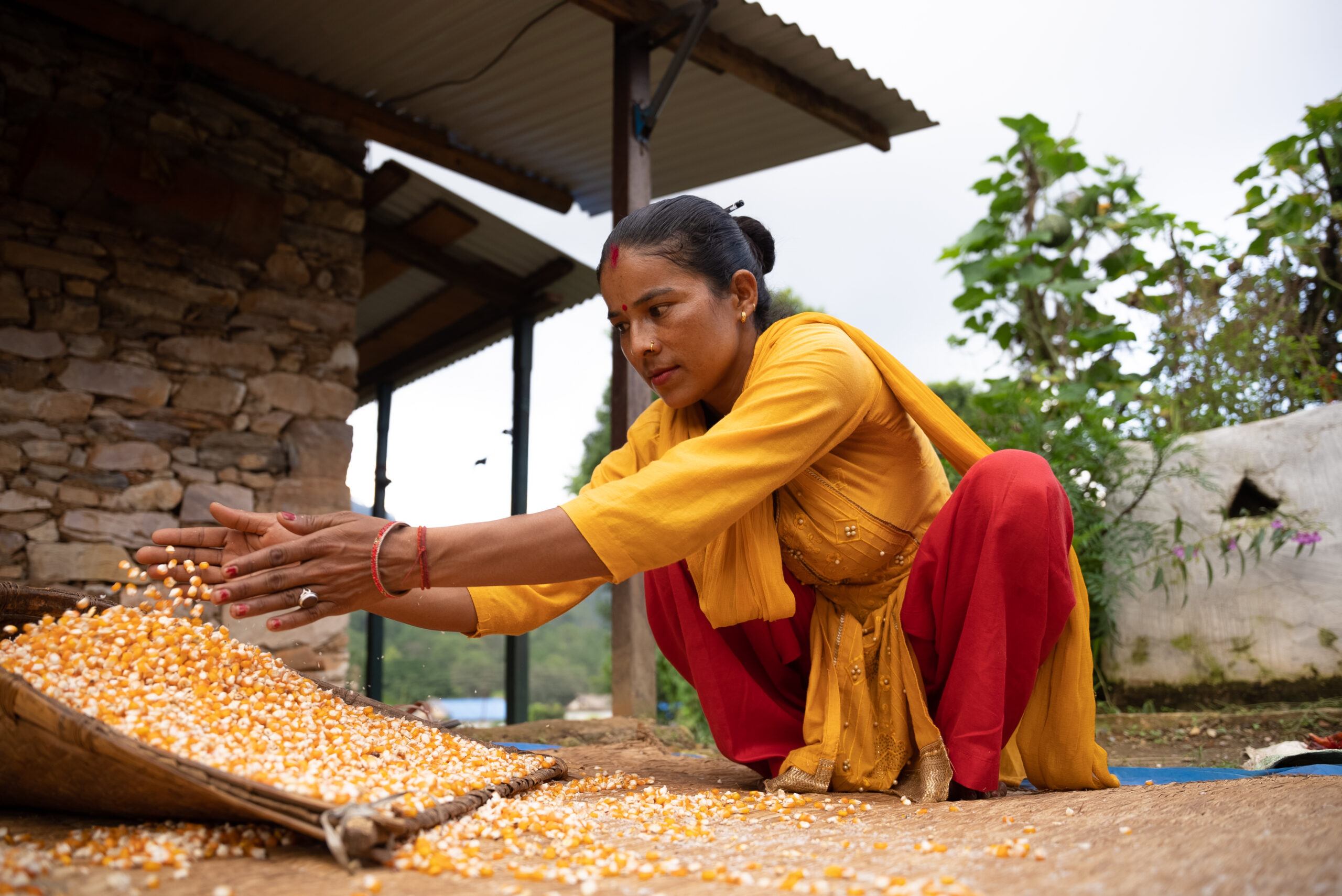
In remote communities of West Nepal’s Karnali region, Felm’s local partner organisations vulnerable populations including smallholder farmers in improving their livelihoods and food security, particularly where climate change threatens agriculture. The aim is to help families prepare for change and recover from shocks.
Inclusive education
The work advances the position of persons with disabilities and people with psychosocial disabilities, particularly students, children, and youth. Felm has supported pioneering efforts to develop mental-health work in Nepal’s public schools, and helps children and young people with disabilities attend school and continue to further education.